
Successful events rarely happen by accident. Behind every memorable wedding, corporate gathering, fundraiser, or private celebration is a tremendous amount of planning and coordination. Professional catering companies are responsible for much more than preparing food. They manage timelines, coordinate logistics, accommodate guest preferences, and ensure every detail contributes to a seamless experience. From the first consultation to the final cleanup, their work requires organization, communication, and culinary expertise. Understanding how catering companies prepare for an event highlights the effort involved in creating an enjoyable and stress-free experience for hosts and guests alike.
Initial Consultation and Planning
The planning process begins with a detailed consultation. During this stage, catering companies meet with clients to understand the event's purpose, guest count, venue, theme, and dining expectations. Whether the occasion is a casual family gathering or an elegant formal event, understanding the client’s vision is essential.
Budget discussions are also a major part of the planning process. Caterers help clients determine how resources can be allocated efficiently while still delivering a high-quality experience. Open communication during these early conversations helps establish realistic expectations and prevents surprises later. A preliminary timeline is usually created as well. This schedule outlines important milestones, including menu approvals, ingredient ordering, staffing arrangements, and event-day logistics. Early planning provides a strong foundation for everything that follows.
Creating the Right Menu
One of the most exciting parts of event preparation is menu development. Caterers work closely with clients to create selections that fit the event theme and appeal to guests. Menus are often customized to reflect personal preferences, cultural traditions, or seasonal ingredients. Flexibility is important during this stage. Many events include guests with dietary restrictions, allergies, or special nutritional needs. Professional caterers account for these requirements while maintaining variety and presentation quality.
Tasting sessions often play a valuable role in finalizing menu selections. These meetings allow clients to sample dishes and provide feedback before making final decisions. Adjustments can be made to flavors, portion sizes, or presentation styles to ensure complete satisfaction. According to Nuphoriq, 37% of catering companies employ between one and 10 full-time staff. This statistic highlights how many catering operations rely on small but highly coordinated teams to deliver exceptional results. Every team member plays an important role in bringing the menu from concept to reality.
Venue Evaluation and Logistics
A successful event depends heavily on understanding the venue. Before the event date, catering teams often conduct site visits to evaluate the location and identify logistical requirements. They assess kitchen facilities, electrical access, food preparation areas, serving stations, and guest flow patterns. Understanding the venue layout allows staff to create an efficient service plan that minimizes delays and enhances the guest experience.
Coordination with venue managers and other vendors is equally important. Caterers frequently collaborate with decorators, entertainers, photographers, and event planners to ensure all aspects of the event work together smoothly. This teamwork helps avoid scheduling conflicts and supports a well-organized setup process.
Procuring Ingredients and Supplies
Once the menu has been finalized, ingredient sourcing begins. Quality ingredients are essential to producing meals that meet client expectations. Caterers work with trusted suppliers to secure fresh produce, meats, seafood, baked goods, and specialty items.
Timing is critical during procurement. Perishable ingredients must arrive close enough to the event date to maintain freshness while still allowing adequate preparation time. Reliable supplier relationships help ensure consistency and quality. In addition to food ingredients, event supplies must also be secured. Depending on the event, this may include serving equipment, linens, utensils, beverage stations, warming equipment, and presentation materials. Proper inventory management ensures that every necessary item is available when needed.
Staffing and Team Coordination
Behind every successful catered event is a coordinated team working toward a common goal. Staffing requirements vary depending on the event size, service style, and complexity. Culinary professionals begin food preparation while service staff are assigned specific responsibilities for setup, serving, guest assistance, and cleanup. Team leaders often conduct meetings before the event to review schedules, expectations, and contingency plans.
Effective communication is essential. Every team member must understand their role and be prepared to adapt if unexpected situations arise. Strong coordination allows catering companies to maintain professionalism and efficiency throughout the event. Training also contributes to success. Staff members are educated on food safety, customer service, and event protocols to ensure guests receive a positive experience from beginning to end.
Food Preparation and Quality Control
Preparation begins well before guests arrive. Ingredients are washed, chopped, seasoned, cooked, and assembled according to detailed production schedules. Careful planning ensures food is prepared efficiently while maintaining freshness and quality.
Quality control remains a priority throughout the process.
Chefs inspect ingredients, verify recipes, and monitor cooking procedures to ensure consistency. Presentation standards are also reviewed carefully because visual appeal contributes significantly to guest satisfaction. Food safety procedures are followed at every stage. Proper storage temperatures, sanitation practices, and handling protocols help protect guests and maintain compliance with health regulations. Professional caterers understand that even a small mistake can affect the overall event experience. Their attention to detail helps ensure every dish meets established standards before being served.
Event-Day Execution
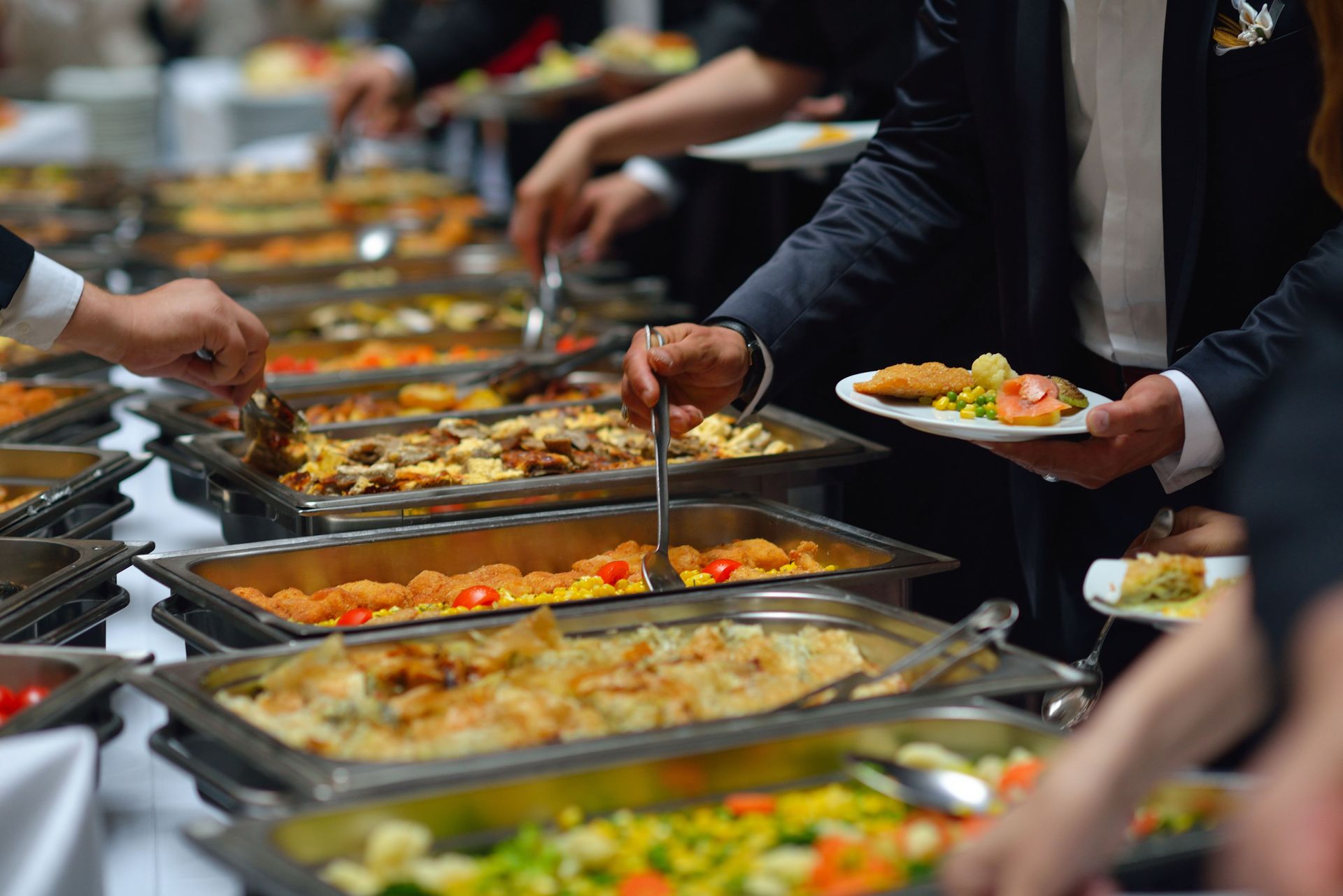
Event day is where months of planning come together. Teams typically arrive early to begin setup and confirm that all equipment, food stations, and service areas are ready. Timing becomes especially important during execution. Meals must be served at the correct temperature and according to the event schedule. Service staff monitor guest needs while kitchen teams coordinate food production behind the scenes.
Unexpected challenges occasionally occur, such as weather changes, guest count adjustments, or schedule modifications. Experienced professionals remain flexible and adapt quickly without disrupting the event experience. This ability to problem-solve in real time is one reason many hosts choose professional catering services. Thorough preparation allows teams to handle surprises efficiently while maintaining a polished appearance.
Cleanup and Post-Event Responsibilities
The work does not end when the final meal is served. Cleanup is an essential part of the catering process. Staff remove equipment, clear serving stations, dispose of waste properly, and restore the venue according to agreed-upon requirements.
Many clients underestimate the value of professional cleanup services. Having an experienced team handle post-event responsibilities allows hosts to focus on enjoying the occasion rather than managing logistical tasks. Following the event, some caterers conduct internal reviews to evaluate performance and identify opportunities for improvement. This commitment to continuous improvement helps maintain service quality and customer satisfaction.
What Sets Great Caterers Apart
Not all providers approach events the same way. The most successful catering companies distinguish themselves through communication, attention to detail, and adaptability. Great caterers listen carefully to client goals and offer practical recommendations that enhance the event experience. They maintain clear communication throughout the planning process and remain responsive to questions or changes.
Reliability is another important factor. Clients need confidence that food, staffing, and logistics will be handled professionally. Consistent execution builds strong reputations and encourages repeat business. Ultimately, exceptional service extends beyond the food itself. It involves creating a positive experience that allows hosts and guests to focus on celebrating rather than worrying about operational details.
Preparing for an event requires far more than cooking and serving meals. From consultations and menu planning to ingredient sourcing, staffing, logistics, and cleanup, catering companies manage countless moving parts to create successful events. Their ability to combine culinary skill with organization and customer service helps transform ordinary gatherings into memorable experiences.
If you're planning an upcoming celebration, corporate event, or private gathering, let the team at Steener's Pub help bring your vision to life. Our experienced professionals are dedicated to delivering outstanding food, attentive service, and a stress-free event experience from start to finish. Contact Steener's Pub today to discuss your event needs and discover how we can make your next occasion truly unforgettable.


Share On: